Project
Polokwane Branch
Local support for Polokwane workshops needing machine-tool parts, stock checks, and straightforward repair planning.
How Polokwane work fits a normal week
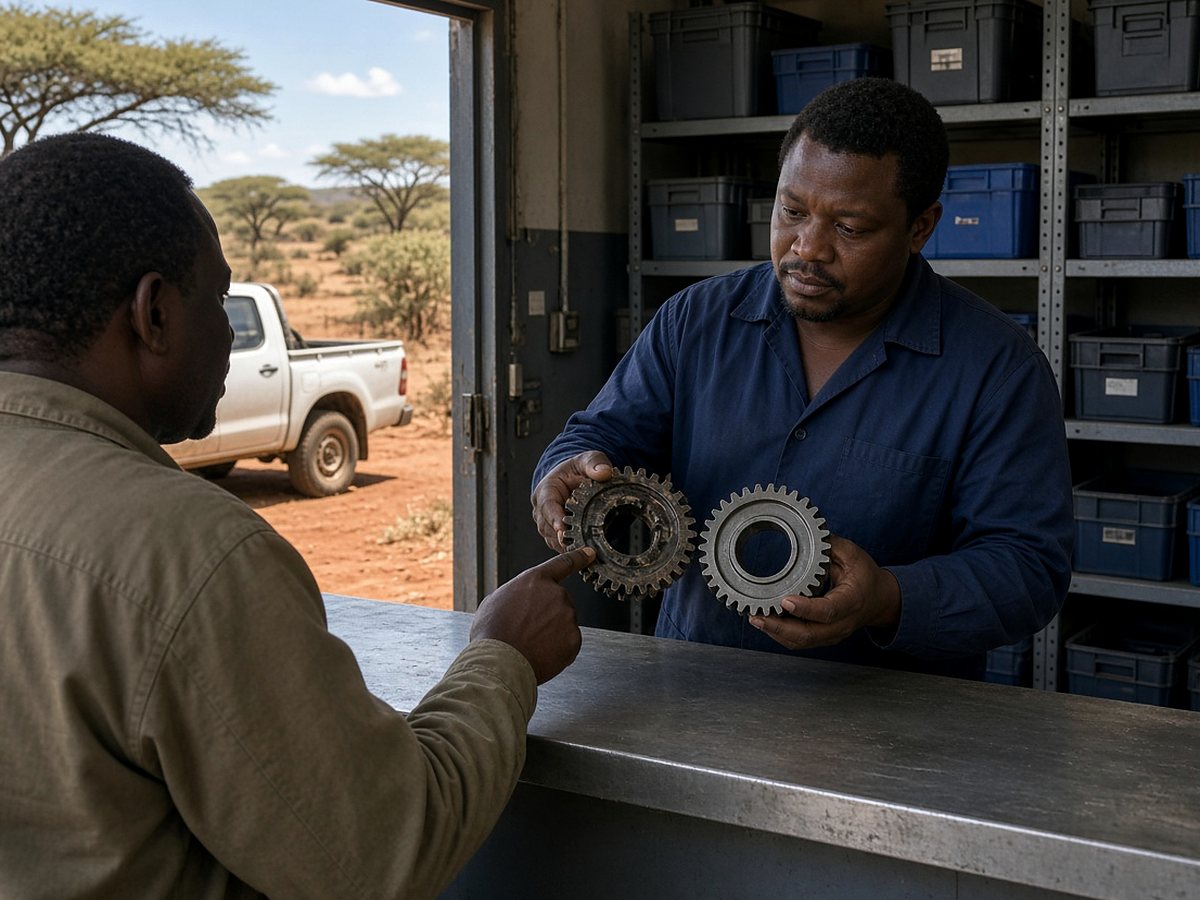
Polokwane parts support helps workshops in Polokwane with machine-tool parts, stock checks, and clear repair planning. It suits enquiries where the customer needs a straight answer on what should be inspected or replaced.
For a Polokwane supplier enquiry, state the machine model, the failed component, and whether production has stopped or slowed. Include whether the workshop is in Industria, Bendor, or a rural route outside town, because access, loading space, and freight handling can change how parts are checked and packed. Many requests involve older lathes, mills, presses, and coolant equipment where the missing item is only one part of a wider wear problem.
Photographs from the first inspection help far more than a short fault note. Show the headstock, slideways, guards, electrical cabinet, and the area around the machine so worn covers, oil leaks, and access restrictions can be seen properly. In Polokwane workshops, dust build-up on rails and fans often needs to be noted alongside the broken or missing part.
Polokwane workshop supply checks
A workshop that needs machine-tool parts support also needs a sensible inspection list behind it. The outcome should identify what can be replaced directly, what needs measuring first, and what should wait until the machine is opened. For spindle assemblies, feed components, switches, bearings, and guards, the detail on site matters more than broad descriptions.
Use the Polokwane parts team alongside the relevant rebuild note only when the machine fault reaches beyond one failed item. Before anything is ordered or sent, match the machine plate details, part markings, and quantity against the workshop paperwork.
- Machine details checked against the plate
- Wear points recorded with current site photos
- Missing items listed before purchasing starts
Polokwane operating conditions
Workshops around Polokwane often run a mix of older lathes, mills, drill presses, and saws with service histories that are partly paper based. If a machine has had a bearing substitution, motor change, limit switch bypass, or a non-standard pulley fitted, include that detail in the brief for our Polokwane work. Split the immediate stoppage item from the wider machine tidy-up so the parts search and inspection list stay accurate.
Heat, dust, and uneven power supply can all influence inspection work and parts decisions. Fine dirt around limit switches, fan covers, lubrication points, and lead screws should be noted where it affects movement or cooling. If a test run has been interrupted by power loss, say what happened before shutdown and what could not be verified afterwards.
Operated by Astros Marketing (Pty) Ltd from 2 Makro Place, Sunnyrock 1401.
Information to send from site
Send the Polokwane brief with site photos, required timing, machine information, and the failed or missing parts already on hand. Use an accurate subject line.
Add any casting numbers, gearbox markings, motor data plates, and dimensions taken from worn components, especially where the original manual is missing. That gives the Polokwane branch team a usable base for parts checking and repair planning.
What our Machine Tool Parts customers say
Verified Google reviews