
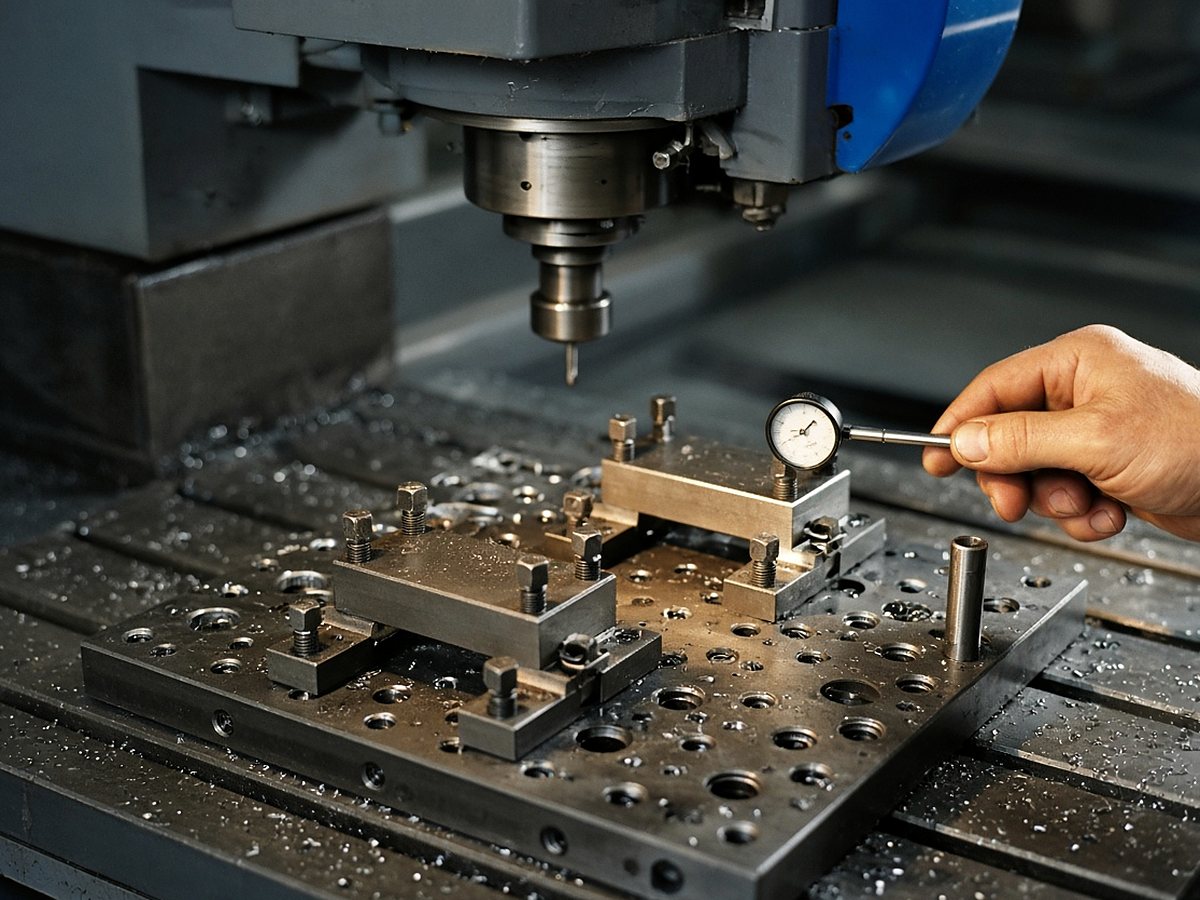
Fixture plates in daily machining
Fixture Plate is for machining setups that need a stable base for repeat clamping and accurate workholding. It is useful where a workshop is rebuilding a setup or planning a more consistent production arrangement.
Plate material, hole pattern and machine table size should be confirmed before ordering or remachining. Cast iron and steel plates are both used, depending on rigidity, weight, corrosion exposure and the type of components being held. Randburg and Johannesburg shops often ask for layouts that suit older manual machines as well as newer CNC beds.
Check the working face for nicks, pulled threads, burrs and lifting damage before the plate goes back into service. A few straight photos of the top face, underside and mounting points help identify whether the job needs skimming, thread repair or a full replacement. Include any dowel positions or edge references that operators rely on during setup.
Setup details that matter
A useful fixture plate arrangement starts with datum positions, clamp access and enough clearance for cutters and probes. Tapped holes, reamed dowel holes and grid spacing need to suit the actual workpieces, not a generic layout. Where repeat jobs are common, marked stations can reduce setup variation between shifts.
Match the fixture plate request to the machine model, table dimensions and the clamping method used in the shop.
- Plate size matched to table
- Tapped holes checked for damage
- Photos of the current setup
Workshop conditions around the plate
Older machines may have table wear, missing tee nuts, altered stops or non-standard mounting hardware that affects plate fitment. It helps to state whether the plate is for production work, repair work, gauging or welding support. If another plate has been used before, include the fixing method and any problems with movement or alignment.
Coastal moisture can mark untreated surfaces quickly, so storage and protective oiling should be planned from the start. On inland sites, dust and swarf build-up around holes and registers can throw off seating if the plate is not cleaned properly. After power cuts or a stopped shift, rechecking zero points and clamp tension is sensible before restarting a repeat job.
Operated by Astros Marketing (Pty) Ltd from 2 Makro Place, Sunnyrock 1401.
T-slot and hole pattern checks
State whether the fixture plate is new, worn, bent, or being altered for another machine. Include the component size range and whether operators need precision dowel location, vacuum holding, or standard clamp points.
If drawings are not available, measured dimensions and a sketch are still useful for assessment. Pair the plate information with the machine reference and job sheet so purchasing and maintenance are working from the same record.
What our Machine Tool Parts customers say
Verified Google reviews