
Rebuilds
Coastal Site
A workshop route for coastal conditions in South Africa, written for teams who already work with machine tools on site.
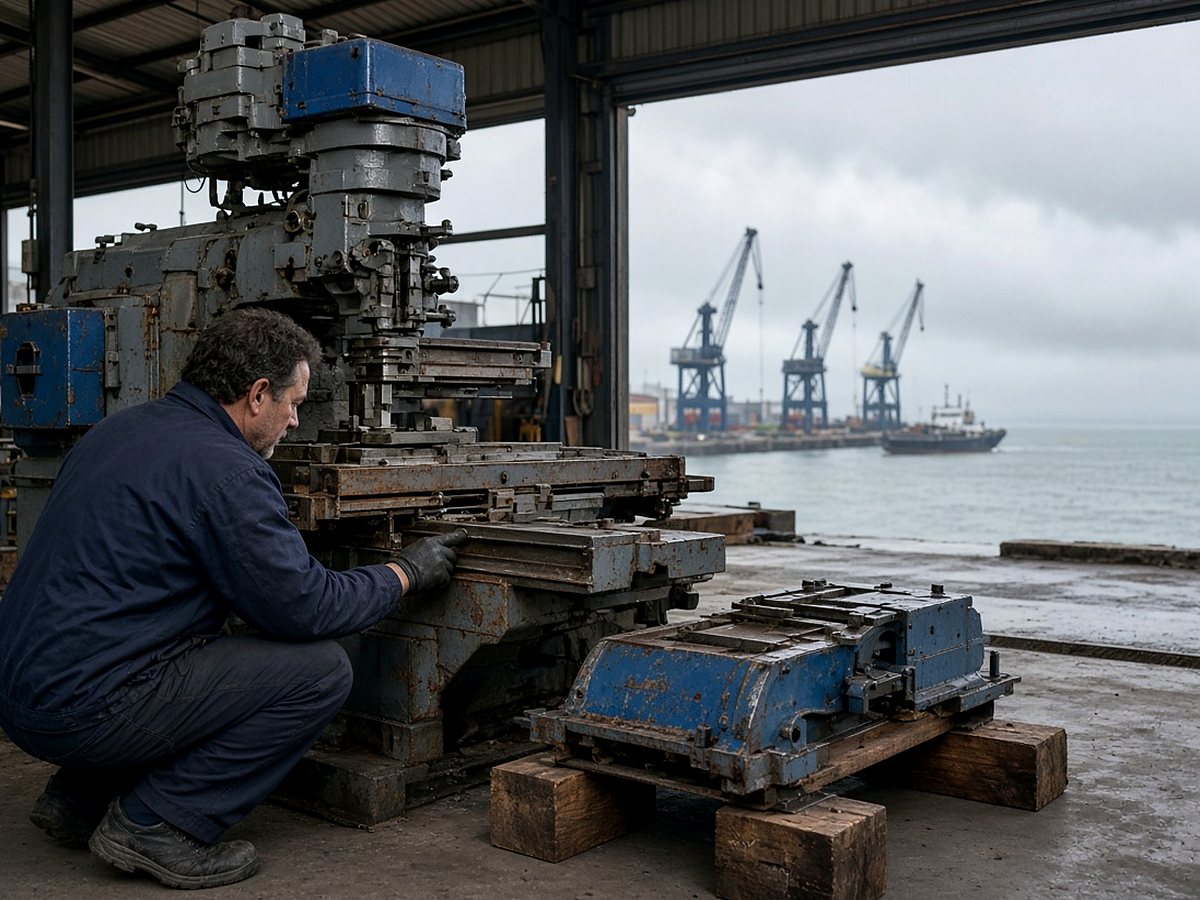
What gets checked first
A coastal-site brief should identify which parts have surface rust, which items have pitting, and which electrics show moisture ingress or salt residue. That gives a workable order for strip-down, cleaning, inspection, bearing assessment, cabinet checks, and protective treatment. Where machines have stood near loading bays or open workshop sides, small corrosion points often tell more than a general description.
Use Coastal Site alongside the relevant rebuild note when the machine is exposed to sea air for long periods. Before sending parts away or ordering replacements, match the machine reference, spindle details, and any marked bearing numbers with the paperwork and photos. Worn machine-tool parts are matched from the maker's plate, so a clear shot of that plate belongs in your enquiry.
- Salt-air damage listed by machine area
- Moisture entry points shown in photos
- Site details sent by email
Information that helps coastal rebuilds
Brief Coastal Site with machine photos, access times, and details of any parts, bearings, or electrics already affected by salt air or moisture.
Send the machine name, site town, and clear photos of the affected areas while the condition is still visible. It also helps to note any seized adjusters, noisy bearings, cabinet corrosion, damaged way covers, or electrical faults linked to damp conditions. Keep that record with the job file and parts list for workshop follow-up.
What our Machine Tool Parts customers say
Verified Google reviews