Rebuilds

Scale Up

Scale Up is for workshops expanding output, moving equipment, or bringing extra machines into the bay. It deals with layout, service access, utility checks, and parts support so added capacity does not create avoidable stoppages.
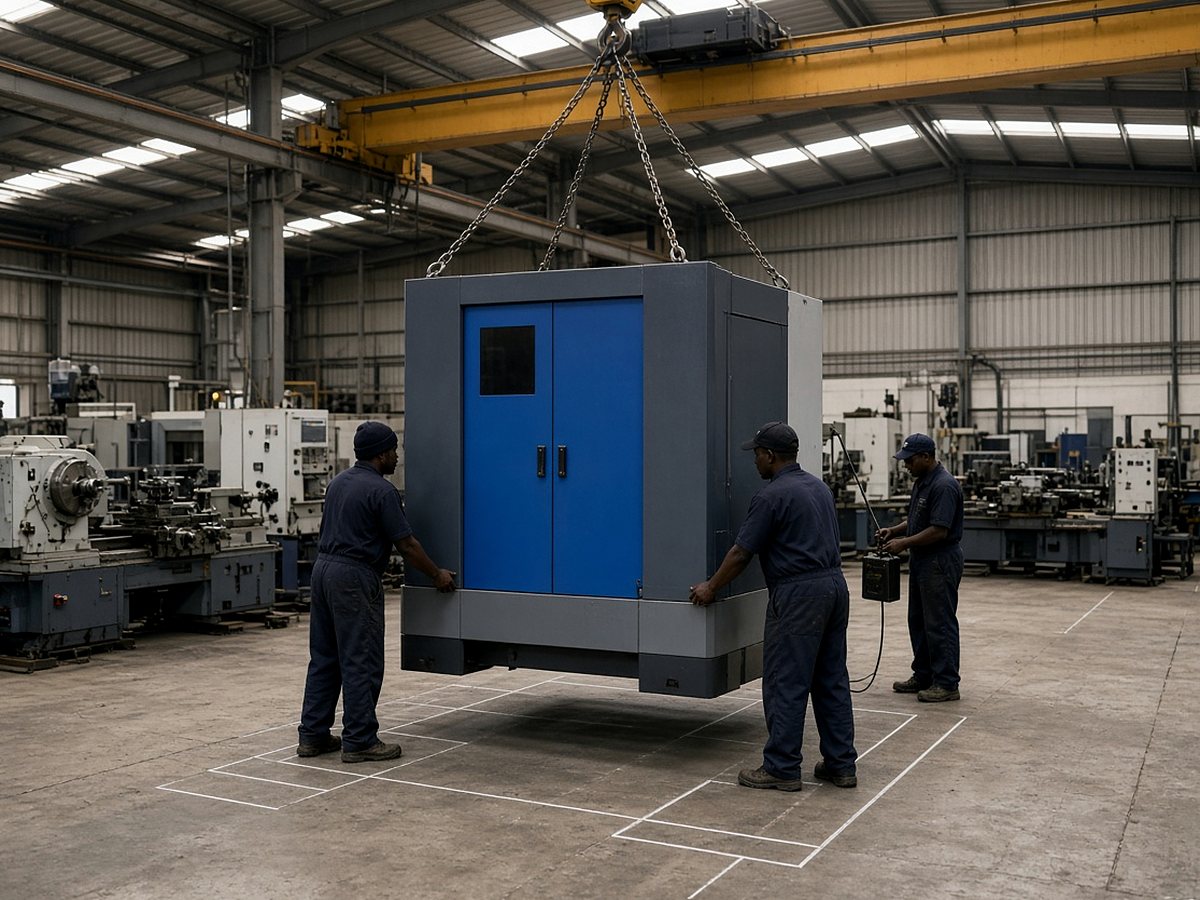
Capacity changes and machine placement

Scale Up focuses on rebuild planning for a machine shop that is adding capacity or changing its floor layout. It is intended for South African workshops that need existing machines, service access, and parts support to keep pace with growth.

Begin with the machines being added, the jobs they must carry, and the space available around them. In Randburg and wider South Africa, crane access, three phase supply, compressed air points, dust levels, and delivery routes can all influence where a machine should stand and how it will be supported.

Take a proper record of the current setup before anything is shifted. Include anchor bolt positions, cable runs, guarding, lubrication points, and clearance around doors, panels, and operator stations. Those details help when a machine is reinstalled, levelled, and checked back into production.

What the scale-up review covers

The outcome is a written plan for adding or rearranging capacity without losing sight of machine condition. It can include rebuild priorities, access requirements for maintenance, and parts attention on older units that will carry extra load once production increases.

When expansion ties into refurbishment, link the added machine count to power, access lanes, and the rebuild scope before orders are placed. Check machine references, spindle type, control details, and available service space against the paperwork before moving anything. Worn machine-tool parts are matched from the maker's plate, so a clear shot of that plate belongs in your enquiry.

  • Machine positions checked against service access
  • Utility points reviewed before relocation starts
  • Workshop details sent by email

Site conditions that affect expansion

Many South African workshops expand in stages rather than replacing everything at once. That means newer equipment often has to work alongside older lathes, mills, or drilling machines with different guarding, footprints, and service needs. Previous modifications should be listed early, especially where motors, controls, pumps, or mountings have been changed.

Coastal humidity can affect stored spares, exposed slideways, and electrical cabinets during a move or rebuild. Inland sites may need extra attention to dust around lubrication systems, way covers, and fan cooled components. Power cuts also matter when planning test runs, levelling checks, and control verification after installation.

Operated by Astros Marketing (Pty) Ltd from 2 Makro Place, Sunnyrock 1401.

Information needed for Scale Up

Send machine names, approximate sizes, present location, and the work each unit is expected to take on after the change. It also helps to note whether the job involves relocation, rebuild planning, extra shifts, or a revised workshop layout.

Keep the scale-up record with the job card, layout sketch, and parts references used for purchasing. That makes later checks easier when service access, replacement items, or machine positioning need to be reviewed.

What our Machine Tool Parts customers say

Verified Google reviews