Rebuilds

Training First

A practical route built around operator training in South Africa, written for teams who already work with machines, tooling, and shop routines.
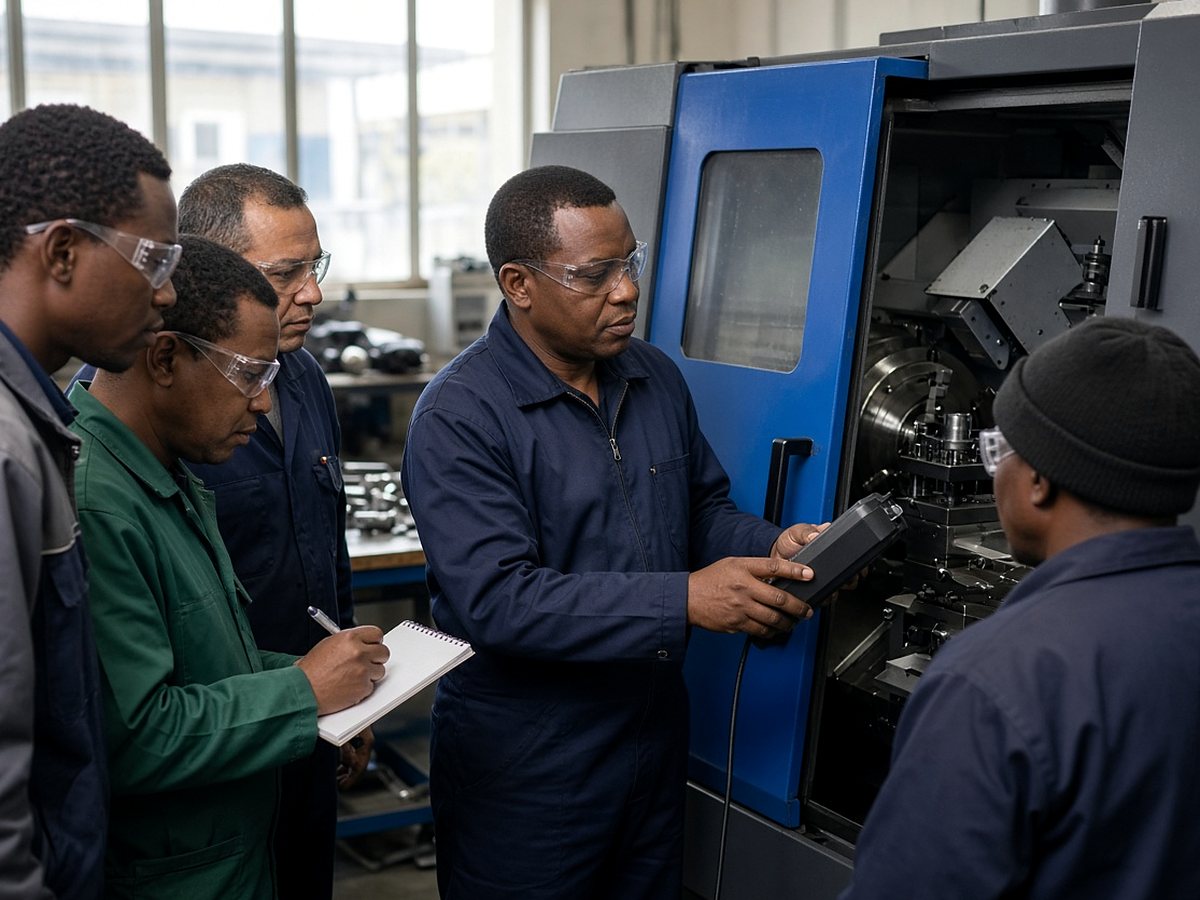
Operator sessions before machine handover

Training First puts operator and workshop training at the centre of the rebuild plan. Teams that need parts, machine work, and shop routines to line up properly before the machine returns to regular use start here.

Training First starts with the people who will run, clean, set, and inspect the machine after rebuild work. We ask for the machine model, the fault history, and the conditions around the bay, including dust, coolant use, voltage fluctuation, and storage of tooling. In Gauteng shops this often changes the order of checks, especially where older controls, worn slides, or inconsistent power affect repeatability.

Photos matter most when they show how the machine is being used, not only what is broken. Include the operator side, guard positions, toolholding, lubrication points, and any marks from crashes or misfeeds. That gives the training session a starting point tied to the actual setup in the workshop, rather than a generic talk around manuals.

What the team records

Each session is built to leave the foreman, setter, and operator with the same references for restart checks, basic handling, and fault spotting. Notes cover machine condition, daily inspection points, and the mistakes that keep showing up during loading, clamping, or lubrication. The aim is to return the machine to use with the workshop routine adjusted to suit its rebuilt condition.

Link Training First with the relevant Rebuilds note before extra repair work is added to the list. Include the machine type, session timing, and one or two handling errors the team is seeing at present. A clear photo of the control side or work area helps tie the training notes to the right machine record.

  • Operator checks tied to rebuilt assemblies
  • Handling faults noted from machine photos
  • Training notes for foreman and setters

Shop conditions that change training

A session in Randburg may focus on dust ingress, cabinet cleaning, and slide protection, while coastal sites often need more attention on corrosion, storage, and light surface rust after shutdowns. Teams should also mention shift patterns, shared operators, and whether the machine stands idle between jobs. Those details affect how restart checks and handover notes are written.

Power cuts and unstable supply can interrupt warm-up, zero return, and proving cuts, so operators need a set routine for stopping and restarting safely. Coolant contamination, blocked lubrication lines, and damaged way covers are common workshop issues that belong in the training discussion. The useful session is the one that matches the machine, the tooling on hand, and the way the shop actually runs.

Operated by Astros Marketing (Pty) Ltd from 2 Makro Place, Sunnyrock 1401.

Details to send before training

Brief Training First with machine photos, session timing, and the handling errors already coming up. Keep the subject line practical.

Send machine photos, session timing, and a short list of recurring handling mistakes before the training date is set. Add any recent part changes, spindle issues, guard problems, or confusion around controls so the session can focus on the right checks and routines.

What our Machine Tool Parts customers say

Verified Google reviews