
Rebuilds

Warehouse Loop

A practical route for a stores-to-workshop flow in South Africa, put together for teams who already run machines and parts movement.
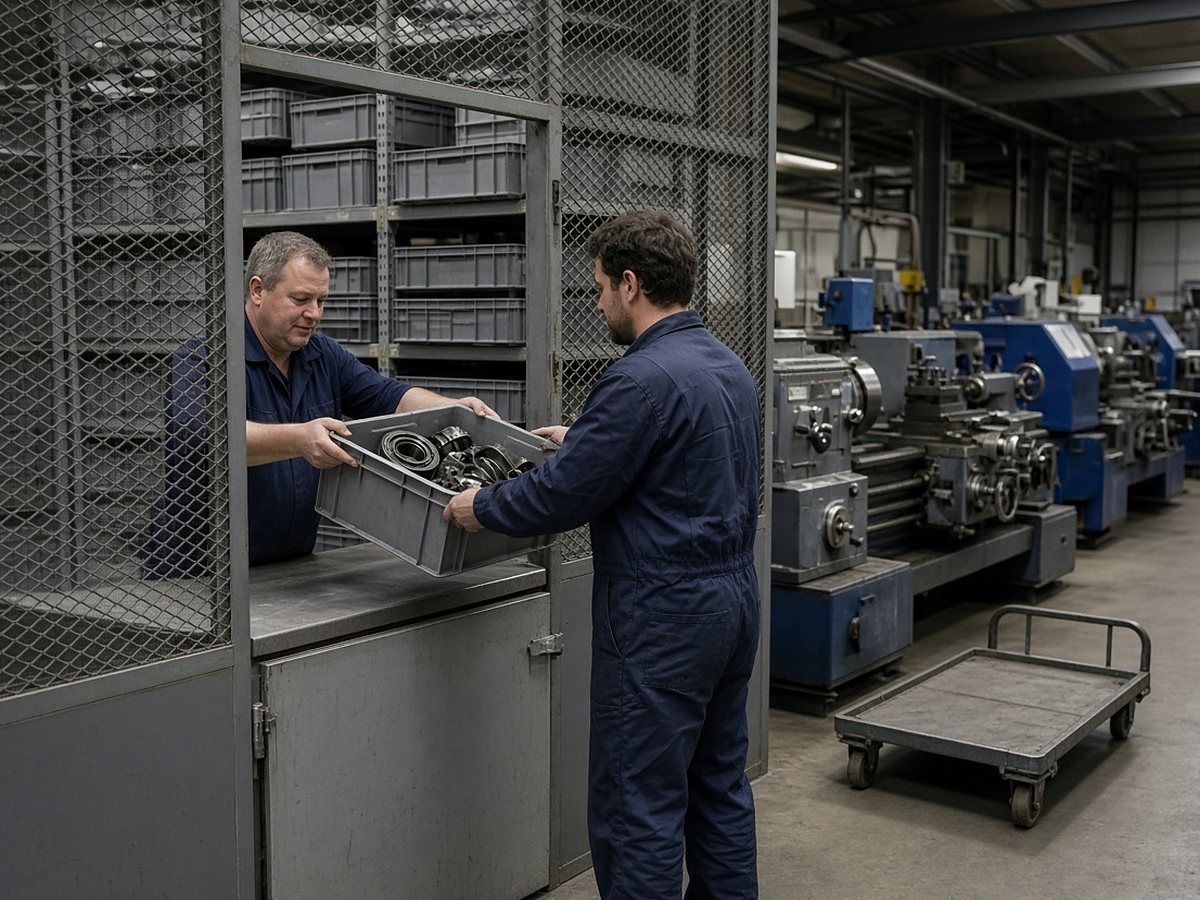
Stores counter to machine bay

Warehouse Loop deals with the movement of parts between stores and the workshop floor. Map a cleaner flow for receiving, holding, issuing, and returning machine-tool parts during service or rebuild work.

Warehouse Loop is for jobs where bearings, belts, seals, switches and fasteners move in and out of store while a machine is stripped or refitted. In Randburg and greater Johannesburg, that flow often breaks when bins are marked by memory, not by machine reference. A short route on paper helps receiving, quarantine stock, issue points and returns stay tied to the actual rebuild job.

Begin with photos of the crate, shelf label and machine position before the first item is booked out. Then note what is being held for inspection, what is cleared for fitting, and what must go back to stock after measurement. Clear images of worn couplings, damaged covers or mixed fastener sets stop the next shift from fitting the wrong parts.

Records used during strip and return

Leave the workshop with a usable movement record for parts, not a vague layout sketch. Include the machine model, the store location, the issue point, and the check back into stock when service work pauses. That makes it easier to trace shortages, duplicates and items left on benches after a rebuild stage.

Link Warehouse Loop to the relevant rebuild note before extra stock is pulled from shelves or cages. Check each package against the machine tag, the part number and the dispatch note before anything leaves the stores area. Worn machine-tool parts are matched from the maker's plate, so a clear shot of that plate belongs in your enquiry.

  • Receiving point tied to machine reference
  • Returned parts marked for inspect or scrap
  • Machine photos with issue and return details

Checks for South African workshop traffic

Many shops run one store for several machine types, so similar boxes and reused labels can cause issue errors during a rebuild. Call out substitutions, old repairs and non-standard fittings at the start of the note. Keep urgent breakdown items separate from the wider list of service parts waiting for later stages.

Coastal sites need better wrapping and shelf checks where moisture reaches bare metal or opened cartons. Highveld dust settles into open bins, electrical boxes and slideway components if parts stand too long between issue and fitting. Power cuts also affect receiving scans, bench inspection and test fitting, so manual references should match the electronic record.

Operated by Astros Marketing (Pty) Ltd from 2 Makro Place, Sunnyrock 1401.

What to send with the first note

Brief Warehouse Loop with machine photos, dispatch timing, and the parts flow already causing delays. Keep the subject line precise.

Send the warehouse route with the job card, parts list and a brief note on where delays start. Useful details include dispatch times, shelf locations, quarantine stock and the point where items return from the machine bay. That gives purchasing and workshop staff the same reference when shortages or duplicate orders appear.

What our Machine Tool Parts customers say

Verified Google reviews